
High Altitude Smoking: Why Your Brisket Stalls at Higher Temperatures in Denver
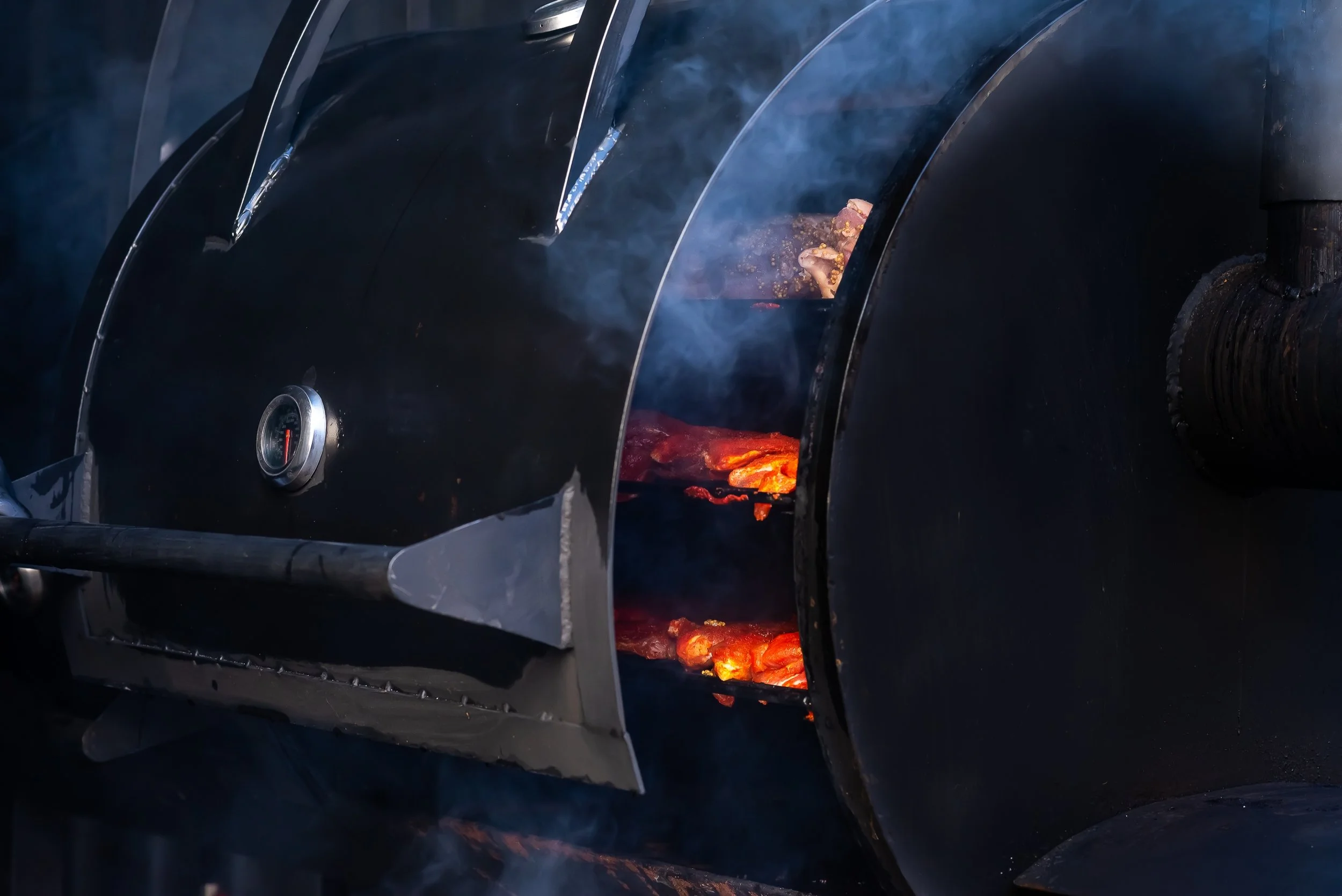
Smoking brisket at high altitude is a different game than smoking brisket at sea level. In the Denver metro area, the air is thinner, the climate is drier, and water boils at about 202°F instead of 212°F. That matters more than many backyard cooks realize. If your brisket seems stuck at temperatures as high as 190°F, the problem may not be your smoker, your meat, or your patience. At Colorado's elevation, that brisket may already be much closer to done than a standard online recipe suggests.
For Denver BBQ fans, the key is learning how altitude changes moisture, temperature, and texture. Once you understand those differences, you can stop panicking over the thermometer and start cooking brisket with more confidence.
Why Denver Elevation Changes Brisket Smoking
At 5,280 feet, water evaporates sooner. Since brisket relies on slow cooking, moisture retention, and steady heat, the lower boiling point can make the cooking process feel unpredictable. A recipe written for sea level may tell you to wait until the brisket reaches 203°F to pull it from your smoker, but that number can lead you astray here.
In Denver, pushing brisket too far can dry it out before it ever reaches that classic target temperature. The meat may tighten, the flat may lose moisture, and the bark may feel firm while the inside starts to suffer. This is why high altitude smoking requires a different mindset. Temperature still matters, but it should not be the only thing guiding your cook.
Why the Stall Feels More Aggressive in Colorado
The brisket stall occurs when moisture evaporates from the surface of the meat, cooling it. Think of it like sweat cooling your skin. In Colorado’s dry air, that evaporation can happen faster, which can make the stall feel more stubborn than expected.
If your brisket sits around 160°F to 190°F for a long time, stay calm. Keep your smoker steady, avoid opening the lid too often, and give the meat time to work through the process. Every peek releases heat and moisture, which only makes the cooking time longer. Quality equipment also helps. A well-built smoker from our selection of grills, smokers, and pizza ovens can maintain steady heat through Colorado's temperature swings.
Stop Chasing 203°F and Start Checking Probe Tender
The best advice on Denver brisket is simple: stop treating 203°F as a rule. At high altitudes, many briskets are ready at 192°F to 195°F. Instead of waiting for one exact number, use the probe tender test.
Slide your probe into the thickest part of the flat. If it moves through the meat with little resistance, almost like softened butter, you are in the right zone. If it still feels tight or there is a slight tug, keep cooking and check again later. This approach gives you a better read on texture than temperature alone.
After pulling the brisket, rest it properly. A good rest allows juices to settle and helps the meat finish gently without drying out. Pairing the right smoke profile with quality premium wood fuels can also help you build the flavor and bark Denver cooks are looking for.
Get Better Brisket Advice From Local Grillmasters
High-altitude BBQ is easier with local guidance. At Holy Smokes BBQ, The Grillin' Shop, our team helps Denver metro cooks choose the right smoker, fuel, seasonings, and techniques for Colorado conditions. We are not here to repeat generic sea level advice. We are here to help you make better food in your own backyard.
Whether you are dialing in your first brisket or upgrading your setup for more serious cooks, we can help you find the right gear and flavor combinations. Explore our sauces and rubs, visit the shop, or contact us today. You can also call (303) 867 6607 for expert BBQ guidance from people who live and cook right here in Colorado.
Image credit: // Shutterstock // Katerina Parameyeva